Blue Cave: the best time of day and what to bring
The Blue Cave on the Luštica peninsula can only be reached by sea, and the colour that made it famous depends on the sun and the swell. Here is how to time your visit and what to pack.
HopABoat TeamTravel desk
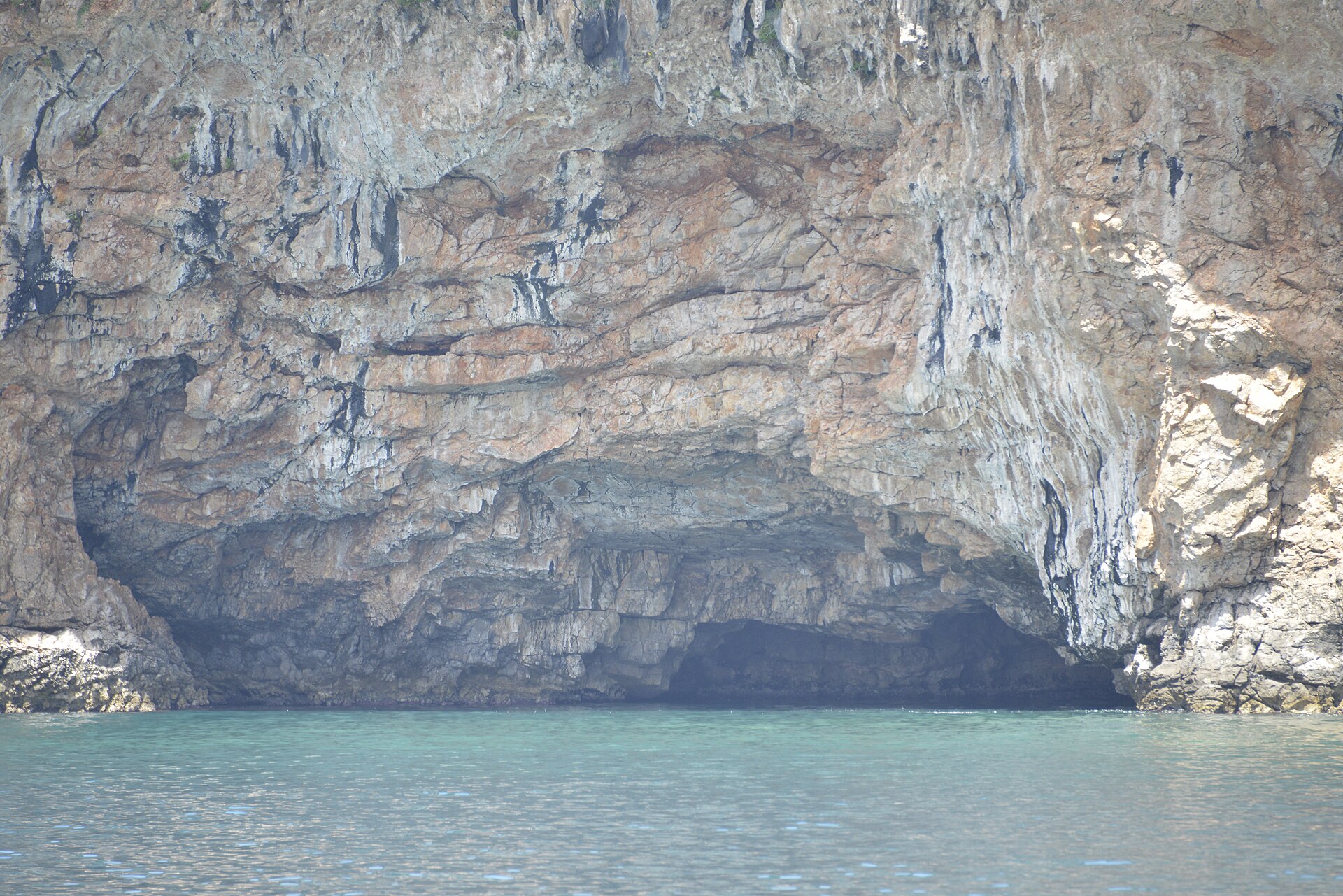
The Blue Cave (Plava špilja) is a sea cave on the outer coast of the Luštica peninsula, near the entrance to the Bay of Kotor. There is no path to it. You arrive by boat, and when the sea allows, the boat goes right inside.
It is one of the most popular stops on the coast, and whether you remember it as magical or merely crowded depends a lot on timing.
Why the water glows
Daylight enters the cave through its openings, passes through the clear water and bounces off the pale bottom. What comes back up is an intense, almost electric blue that lights the cave from below. Put your hand in the water and it seems to glow.
Two things follow from this. The effect needs sun, so a bright day is far better than an overcast one. And it needs reasonably calm, clear water, because swell stirs things up and can make it unsafe for boats to enter.
The best time of day
Late morning to early afternoon: the strongest colour
The blue is at its most vivid when the sun is high. This is also when most boats arrive, especially in July and August, so expect company and a short wait at the entrance.
Early morning: calm sea and space
Early departures usually find the flattest sea and the fewest boats. The colour is softer than at midday but the cave is quieter, and swimming is more relaxed. For many people this is the better trade.
Late afternoon: check the wind first
On summer afternoons a breeze from the sea often builds along the open coast. It is welcome on the beach and less welcome in a small boat, and the stretch outside the bay can become choppy. Late trips can be lovely, but they are the most likely to be shortened.
There is no single perfect hour. Decide what matters more to you, the deepest colour or the fewest people, and choose your departure accordingly.
When the cave is not possible
The cave faces the open sea. When there is swell, skippers will not go in, and sometimes will not go out to that part of the coast at all. This is a safety decision and it is theirs to make. A good skipper will offer an alternative: a swim stop in a sheltered cove, more time around Mamula or the submarine tunnels, or a different day.
If the Blue Cave is the main reason for your trip, plan it for the beginning of your stay rather than the last day. That leaves room to move it.
Swimming in the cave
Most trips include a swim stop, inside the cave or just outside it, depending on how busy it is. The water is deep, so you swim from the boat without touching the bottom. If you are not a confident swimmer, say so before you set off and ask for a life jacket or a float. Nobody will mind.
Keep an eye out for other boats while you are in the water and stay close to your own.
What to bring
- Swimwear under your clothes, so you are ready when the boat stops.
- A towel and a dry change of clothes for the ride back.
- A mask or goggles: the colour is even better from under the surface.
- Sunscreen, a hat and sunglasses. The ride there is in full sun.
- A waterproof pouch for your phone if you want photos from the water.
- Water to drink, unless the listing says it is provided.
- Motion sickness tablets if you are prone to it; take them before departure, not once you feel unwell.
- Cash in euros, if the trip is paid to the owner on arrival.
Getting there
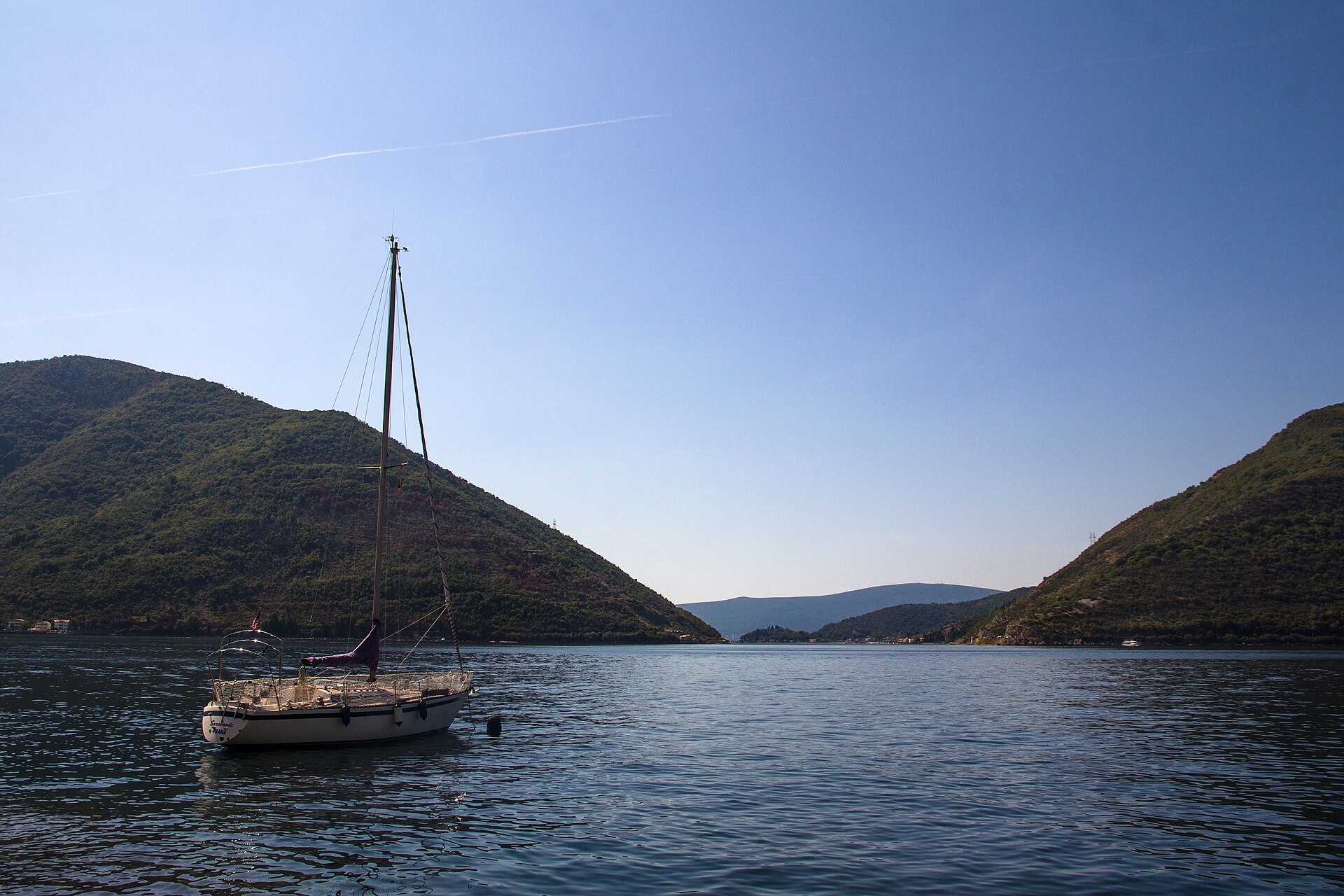
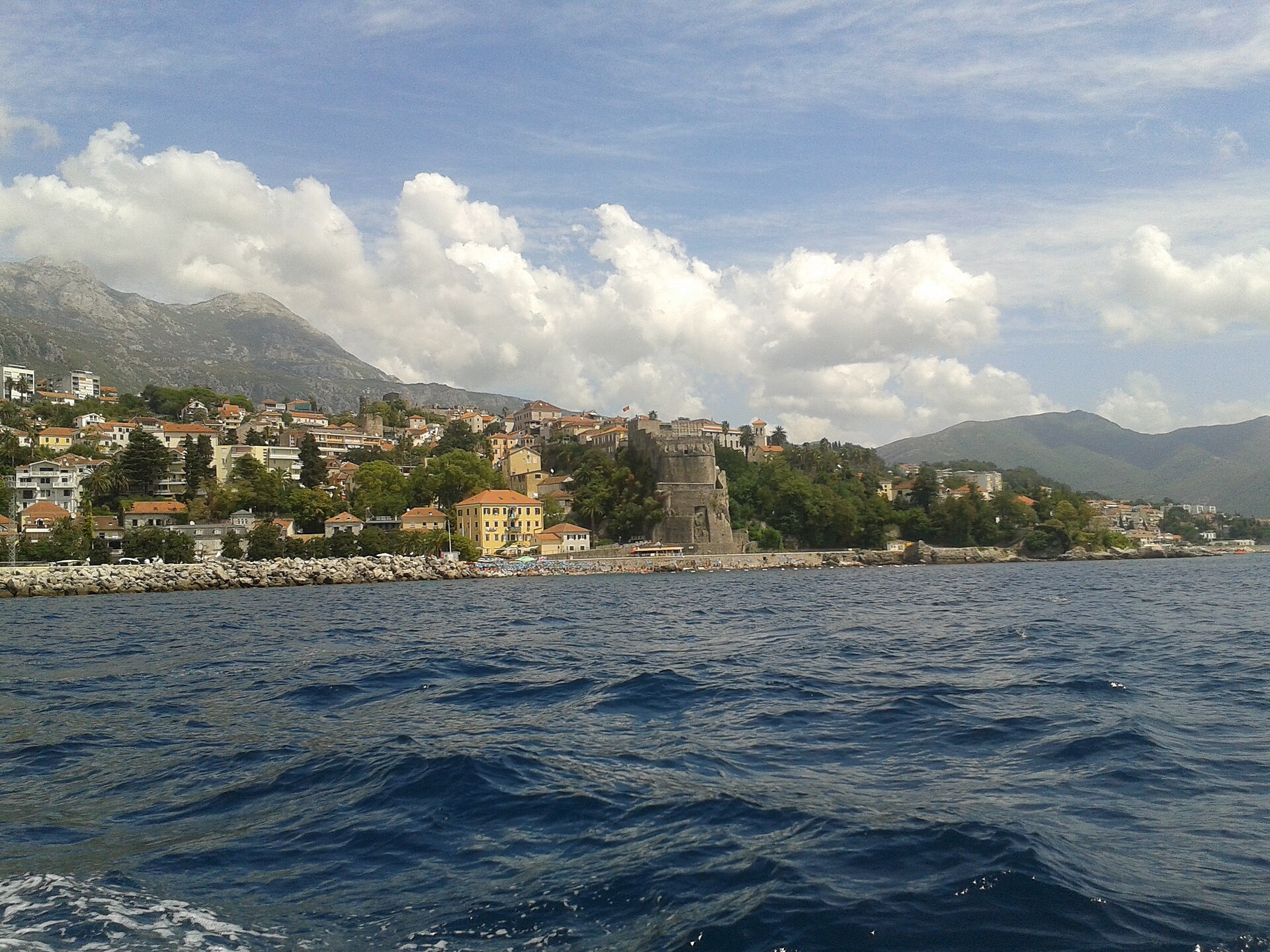
Herceg Novi is the closest town, so trips from there reach the cave quickly and are often shorter. From Tivat and Kotor the ride is longer, but it takes you through the whole bay, usually with stops at Our Lady of the Rocks and a look at Mamula on the way. Trips also run from the beaches on Luštica itself.
Many tours combine the cave with a swim or lunch stop at Žanjice or Mirište. Check the listing to see what is included and how long the boat stays at each stop.
A note on photos
The cave is dark and the water is bright, which confuses phone cameras. Turn off the flash, tap on the water to set the exposure and hold the phone steady. The best pictures are often taken looking down at swimmers, with the light coming up around them.