The Bay of Kotor by boat: a first-timer's guide
Four connected bays, two tiny islands off Perast and a narrow strait in between. Here is how the Bay of Kotor fits together, what a boat trip usually covers and how to choose one.
HopABoat TeamTravel desk
The Bay of Kotor is easier to understand from the water than from the road. The road follows every bend of the shore, while a boat simply cuts across. In a few hours you can see places that would take most of a day by car, and you see them the way they were built to be seen: from the sea.
This guide explains how the bay is laid out, what most trips include and how to pick one that suits you.
How the bay fits together
Locals call it Boka. It is not one bay but four, joined to each other and to the open Adriatic:
- The Bay of Herceg Novi, at the entrance, the widest and the most open to the sea.
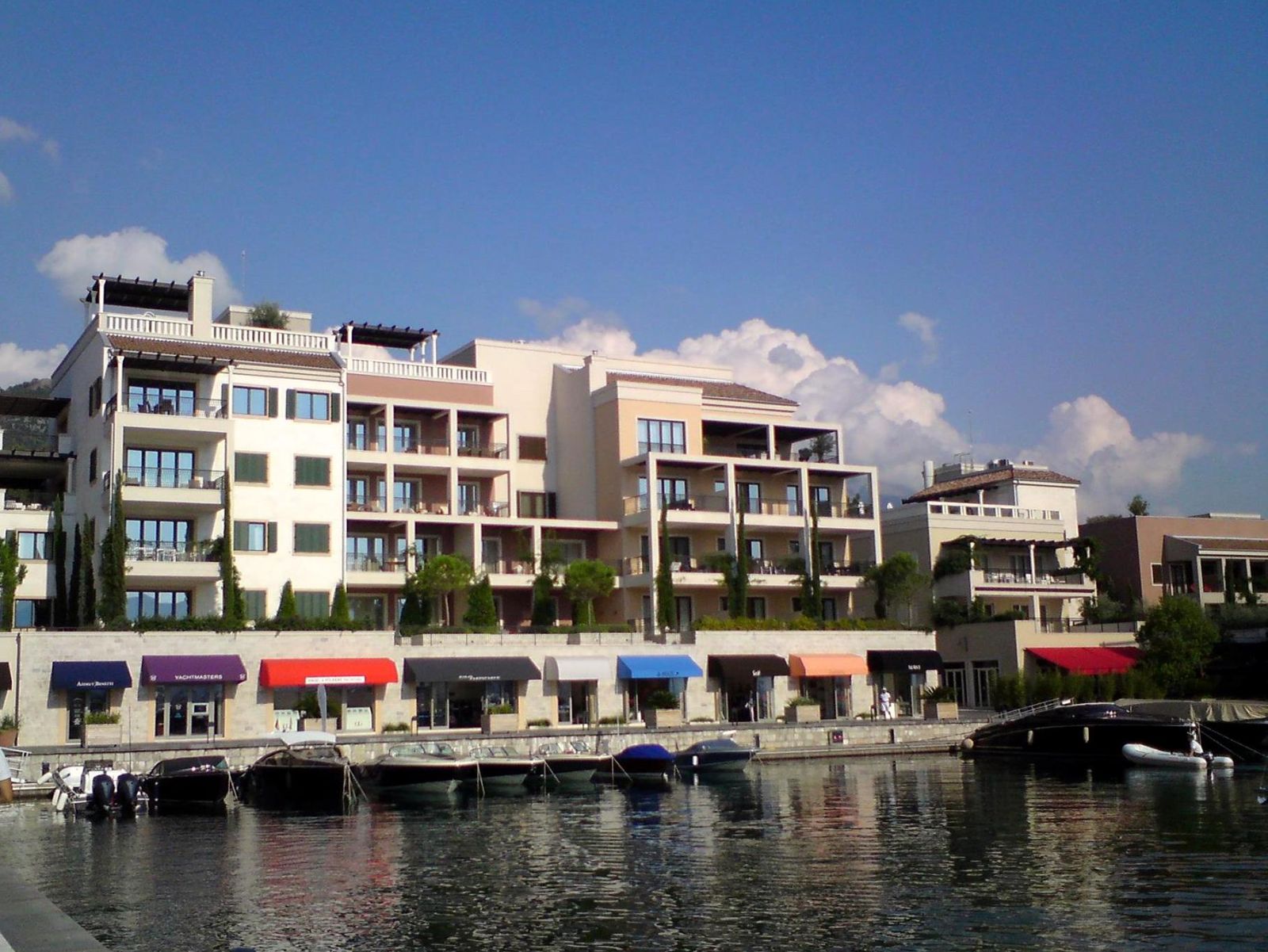
- The Bay of Tivat, in the middle, broad and usually calm, with the marina at Tivat.
- The Bay of Risan, the quiet north-western corner beyond the strait.
- The Bay of Kotor, the innermost part, with the walled town of Kotor at its far end.
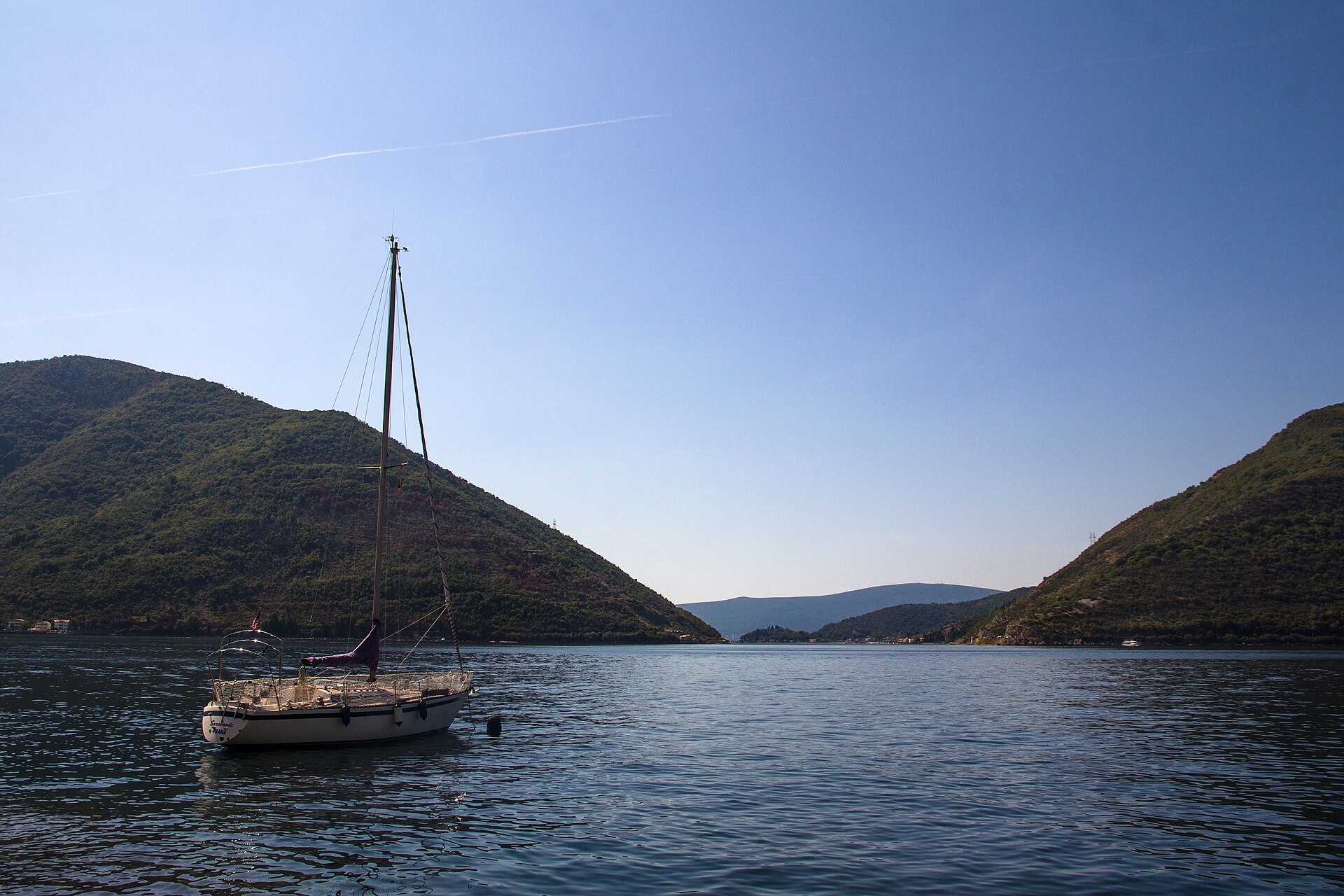
The outer and inner bays are connected by Verige, a strait only a few hundred metres wide. Passing through it is one of the best moments of any trip: the mountains close in on both sides, and then the inner bay opens in front of you with Perast straight ahead.
Boka is often described as a fjord. Strictly speaking it is a drowned river valley, but once you are between those cliffs the difference will not matter much.
What a trip usually covers
Perast and its two islands
Perast is a small baroque town of stone palaces and church towers, built by sea captains. In front of it lie two islets. Our Lady of the Rocks is man-made: over centuries, people from Perast sank rocks and old ships around a reef until an island grew, and they still add stones to it every 22 July. You can step ashore and visit the church and its small museum. St George, next to it, with a monastery among cypress trees, is not open to visitors, but boats pass close enough for a good look.
Kotor from the water
Kotor's old town and the surrounding area are a UNESCO World Heritage site. Arriving by boat, you see the walls climbing the mountain behind the town, which is hard to appreciate from inside the streets.
The outer bay and the open sea
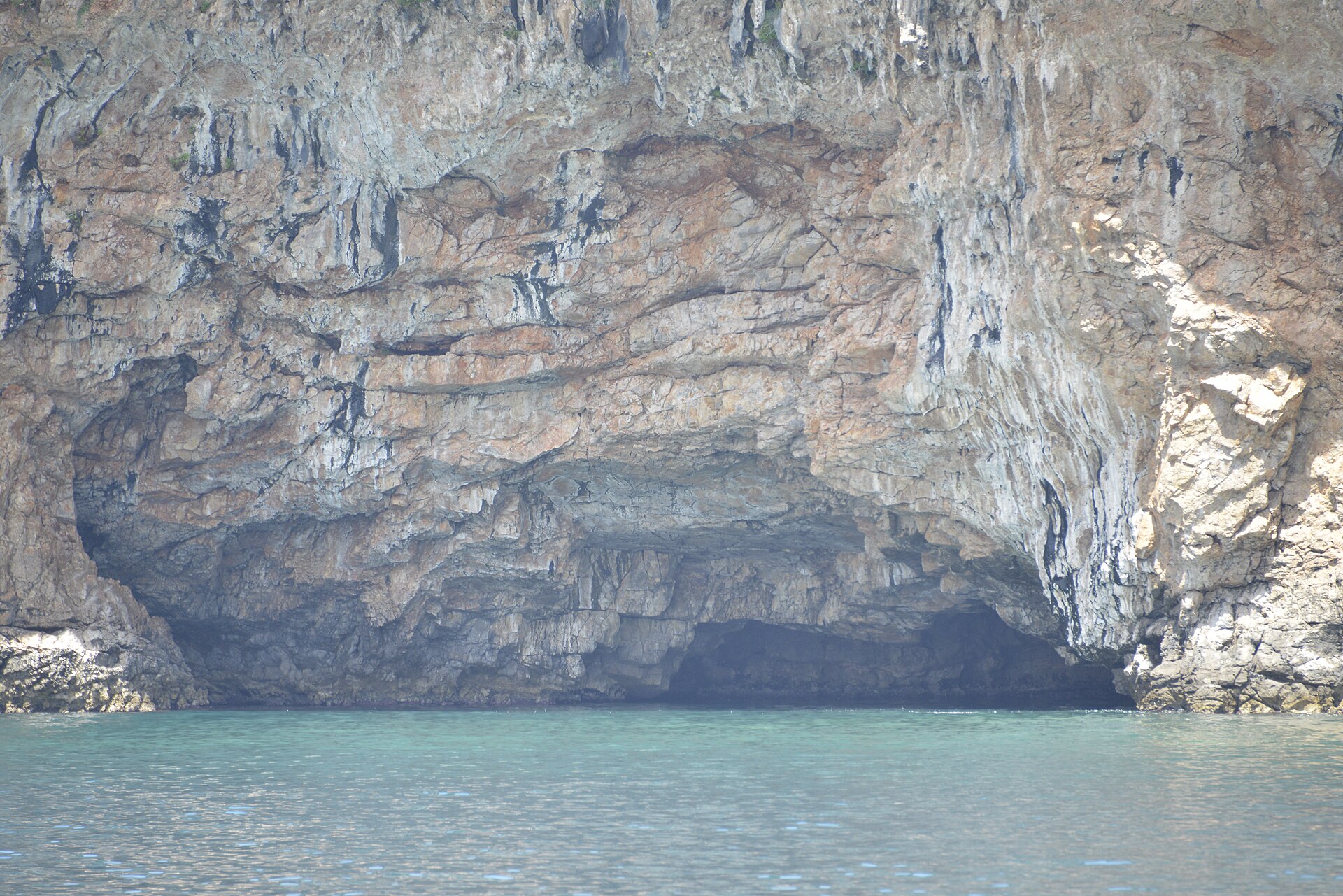
Longer trips continue past Tivat and Herceg Novi to the mouth of the bay: the island fortress of Mamula, the old submarine tunnels cut into the Luštica peninsula, and the Blue Cave on the open-sea side. This part depends on the weather more than the inner bay does.
Where to start from
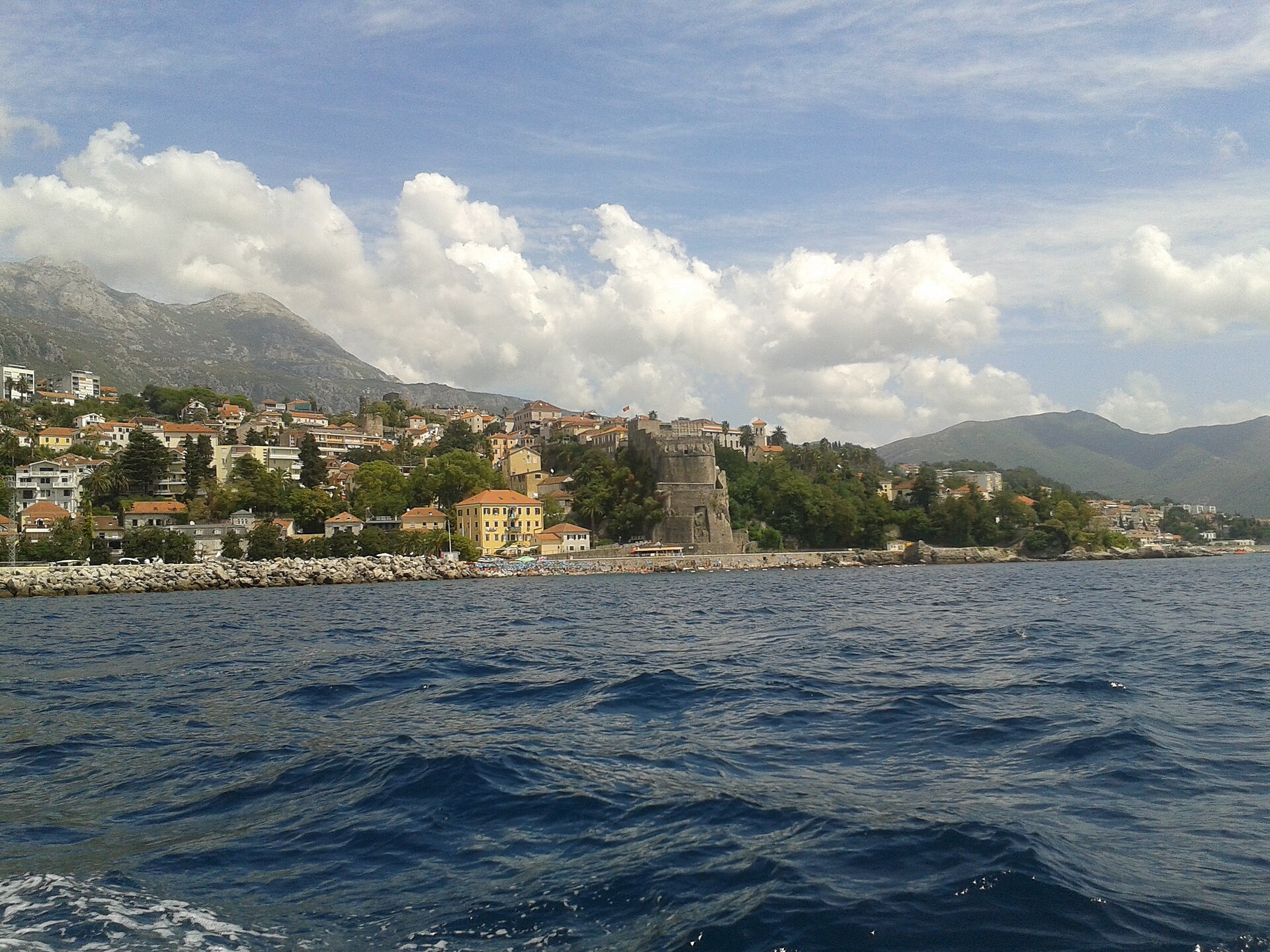
Kotor is the usual starting point for the inner bay, and it is convenient if you are staying in the old town. Tivat sits in the middle and works well for both directions. Herceg Novi is closest to the Blue Cave and Mamula, so trips from there spend less time travelling. Perast is ideal for a short hop to the islands.
If you have limited time, choose the starting point closest to what you most want to see, not the one closest to your hotel.
Shared tour or private boat?
A shared tour has fixed departure times and a set route, and you pay per person. It is the simplest choice for one or two people. A private boat is priced per boat, so for a family or a group it often costs about the same per head, and you decide where to stop and for how long. Each listing on HopABoat says clearly which of the two it is.
If you can, go in the morning. The water is usually calmer, the light on the mountains is softer and the islands are less crowded than at midday.
What to bring
- Swimwear and a towel, even if you are not sure you will swim.
- Sun protection: a hat, sunglasses and sunscreen. There is little shade on a small boat.
- A light layer for the ride back, when the breeze picks up.
- Something to cover your shoulders if you plan to enter the church on the island.
- Cash in euros: for the trip itself, if it is paid to the owner on arrival, and for small things along the way.
A few practical notes
The season runs roughly from late spring to early autumn, with the warmest sea in July and August. Those are also the busiest months, so book a few days ahead. In May, June and September the bay is quieter and the trip is just as beautiful.
Weather can change plans. If the skipper suggests staying inside the bay instead of going to the open sea, take the advice: the inner bay is sheltered and rarely disappoints.
Ready to choose? Browse boat trips in Montenegro and filter by date and place.